





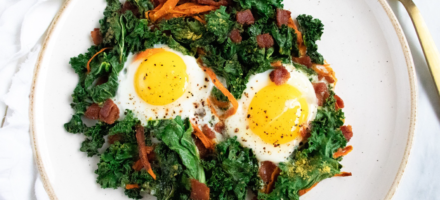
Kale, Bacon and Eggs
A protein-rich kale, bacon and eggs recipe packed with cruciferous greens to support detox pathways, digestion and sustained energy. INGREDIENTS 2 ...
0 item(s)

Free delivery on tests
You’ve probably seen the word “detox” splashed across wellness products, juice cleanses, and Instagram reels more times than you can count. And while much of that marketing is frankly noise, the underlying question behind it is genuinely important: is your body actually clearing waste and toxins efficiently? The answer, it turns out, depends enormously on two organs working in concert — your gut and your liver. And the communication highway between them, what researchers now call the gut-liver axis, is one of the most exciting and clinically meaningful areas in modern medicine.
I want to take you through what the science actually says, what can go wrong, and what you can do about it.
Your gut and your liver are in constant conversation. The anatomical connection is the portal vein — a large blood vessel that carries blood directly from the intestines to the liver. This means that almost everything absorbed from the gut passes through the liver first, before entering general circulation. Nutrients, microbial metabolites, bacterial products — all of it arrives at the liver for processing.
The gut microbiota carries out critical functions for the host, including assisting with efficient nutrient extraction, modulating hormonal pathways via microbial-derived metabolites, metabolising drugs and xenobiotics, and priming host immunity. In other words, your gut bacteria aren’t passive bystanders — they’re active participants in how your body handles everything you eat, breathe, and absorb.
But the communication runs both ways. Metabolites produced by the liver, such as free fatty acids, inflammatory factors, and choline metabolites, can enter the systemic circulation and exert effects on multiple organs throughout the body, including the gut itself. The gut influences the liver; the liver influences the gut. When this bidirectional balance breaks down, the consequences ripple through the entire body.
What Is the Liver Actually Doing? The Detox Reality
The liver is your primary detoxification organ — but not in the vague wellness sense. It performs highly specific, biochemically complex work. It processes everything that arrives from the gut via the portal vein: nutrients, hormones, microbial products, environmental toxins, and medications. It runs two major detoxification phases (Phase I and Phase II), converting fat-soluble toxins into water-soluble compounds that can be excreted in bile or urine.
Here’s the problem. When the gut is healthy and the microbiome is diverse, this system hums along beautifully. But when the gut becomes dysbiotic — meaning the microbial balance is disrupted — the liver gets flooded with substances it wasn’t designed to handle in those quantities, and its capacity to clear toxins becomes overwhelmed.
The gut lining is, in ordinary conditions, an extraordinarily effective barrier. It selectively allows nutrients in while keeping bacteria, endotoxins, and other potentially harmful compounds out. But a range of factors — a high-fat diet, alcohol, stress, dysbiosis, and certain medications — can compromise this barrier.
Disruption of the gut barrier, referred to as ‘leaky gut’, is characterised by the release of bacterial metabolites and endotoxins such as lipopolysaccharide (LPS) into the circulation, and appears to be closely connected with the development and progression of several metabolic and autoimmune diseases.
LPS is a component of the outer membrane of Gram-negative bacteria. When it leaks through a compromised gut wall, it doesn’t stay in the gut, it travels directly to the liver via the portal vein. LPS can translocate into the portal vein via the disruption of the gut barrier, strongly activating regional liver immune cells — mainly Kupffer cells — which produce pro-inflammatory cytokines and chemokines.
Kupffer cells are the liver’s resident immune cells. When chronically activated by LPS, they drive a state of persistent liver inflammation. In the liver, LPS reaching through portal blood activates Kupffer cells, and increased inflammation underlies increased hepatic insulin resistance and lipogenesis.
This is a critical mechanism to understand. It’s not just that you feel bloated or fatigued — an inflamed, overburdened liver loses its capacity to efficiently process toxins, regulate blood sugar, manage cholesterol, and produce bile acids. Everything downstream suffers.
One of the most paradigm-shifting insights of the last decade is that the gut microbiome behaves like a metabolic organ in its own right. The trillions of microorganisms in the human intestine are important regulators of health, and disruptions in gut microbial communities can cause disease through their intricate, symbiotic relationship with the gut, liver, and immune system.
The microbiome shapes liver health through several key mechanisms.
Microbial metabolites and short-chain fatty acids (SCFAs)
When your gut bacteria ferment dietary fibre, they produce short-chain fatty acids (SCFAs) — primarily acetate, propionate, and butyrate. These compounds are far more than fuel. The liver receives a large amount of short-chain fatty acids via the blood flowing from the gut via the portal vein, and butyrate helps prevent non-alcoholic fatty liver disease, non-alcoholic steatohepatitis, inflammation, cancer, and liver injuries.
SCFAs maintain the integrity of the gut barrier by regulating hypoxia-inducible factor (HIF), enhancing intestinal tight junctions, and immune cell activity, effectively protecting the liver from the downstream consequences of a leaky gut. When fibre intake is low and gut diversity is poor, SCFA production drops — and so does this protective effect.
Bile acid metabolism
The liver produces primary bile acids from cholesterol, which are then released into the intestine to help digest fat. What happens next depends on your microbiome. Bile acids undergo extensive metabolic transformations mediated by the gut microbiota, including deconjugation, dehydroxylation, oxidation, epimerisation, and re-conjugation. These modified secondary bile acids then circulate back to the liver (the enterohepatic circulation) and regulate bile acid synthesis through receptor signalling. A disrupted microbiome disrupts bile acid metabolism, with downstream consequences for fat digestion, cholesterol regulation, and liver health.
Endogenous alcohol production and toxic metabolites
Here’s something that often surprises people: certain gut bacteria produce ethanol endogenously. Endogenous ethanol produced by the intestinal microflora can lead to bacterial translocation by disrupting the intestinal mucosal barrier and increasing intestinal permeability, eventually increasing the level of lipopolysaccharides in the portal vein. This means that even if you don’t drink, an overgrown and dysbiotic gut can be generating alcohol internally — adding to the liver’s detoxification burden.
Small Intestinal Bacterial Overgrowth (SIBO) deserves special attention in any honest discussion of gut–liver health. SIBO occurs when bacteria that should predominantly reside in the colon colonise the small intestine in excessive numbers or unusual compositions — leading to fermentation, bloating, nutrient malabsorption, and, critically, a much higher bacterial load arriving at the liver.
The research connecting SIBO to liver disease is striking. Small intestinal dysbiosis and SIBO, with subsequent low-grade mucosal immune activation and increased intestinal permeability, are now considered to play a critical role in the pathophysiology of chronic liver disease, where the altered permeability of the mucosal barrier enables increased passage of bacteria or their by-products into the bloodstream, promoting systemic inflammation and contributing to the progression of cirrhosis.
A comprehensive 2024 systematic review and meta-analysis — covering 34 case-control studies and over 3,300 participants — found that the odds for SIBO prevalence in chronic liver disease patients compared to controls was 6.7. That’s a substantial association.
Importantly, the association of SIBO and chronic liver disease was not confined to patients with advanced liver disease, suggesting that SIBO is not merely a consequence of advanced liver disease but may play a role in its progression.
In patients with non-alcoholic fatty liver disease (NAFLD) specifically, SIBO has been found at significantly elevated rates. One clinical study found that NAFLD occurred in 45.4% of SIBO-positive patients compared to 17.3% of SIBO-negative patients, with SIBO remaining independently associated with NAFLD in multivariate analysis.
If you have symptoms of SIBO — chronic bloating, abdominal distension, excessive gas, altered bowel habits, or a history of fatigue and brain fog — addressing it may be one of the most important steps you can take for your liver health, not just your digestive comfort.
📌 Are You Dealing With SIBO or Gut Dysbiosis?
If you’re experiencing symptoms like bloating, erratic digestion, fatigue, or brain fog, you may not be getting the answers you need from standard tests. Our at-home SIBO breath tests and gut microbiome assessments can give you a detailed picture of what’s happening in your gut — and help guide targeted treatment.
The gut–liver axis is implicated not just in early or mild liver dysfunction, but across the spectrum of liver disease severity.
The gut-liver axis serves a role in the progression of cirrhosis, where previous studies have demonstrated that gut permeability in patients with cirrhosis is increased, and subsequent studies have indicated that increased gut permeability facilitates the translocation of intestinal-derived endotoxins (LPS) into the bloodstream, driving immune dysfunction.
In non-alcoholic fatty liver disease (which now affects an estimated 25–30% of the global population) the gut–liver axis is central to disease development and progression. NAFLD patients with intestinal barrier damage and increased intestinal permeability are characterised by more severe disease status, including worse liver dysfunction, hyperlipidaemia, liver fat deposition, and insulin resistance.
The picture that emerges is not of a liver failing in isolation, but of a liver being systematically overwhelmed by a gut that is no longer functioning as a protective filter.
None of the following are diagnostic on their own, but a cluster of these symptoms warrants a proper clinical evaluation:
If several of these resonate, you’re not imagining it, and these symptoms have a mechanistic explanation that points back to the gut–liver axis.
This is where we move from understanding the problem to doing something meaningful about it. Here are the interventions with the strongest evidence base.
1. Probiotics
Perhaps the most extensively studied intervention for the gut–liver axis. A 2024 network meta-analysis of 35 randomised controlled trials involving over 2,200 NAFLD patients found that the combination of Lactobacillus, Bifidobacterium, and Streptococcus exhibited the highest probability of being the most effective probiotic combination for reducing liver enzymes AST, ALT, and GGT, as well as BMI, LDL levels, and TNF-α.
The mechanisms are well understood. Lactobacillus plantarum and Bifidobacterium bifidum modulate lipid synthesis genes through pathways such as AMPK/Nrf2 and LPS-TLR4-NF-κB, reducing hepatic lipid accumulation and oxidative stress, combating harmful bacterial overgrowth, and bolstering the intestinal mucosal barrier.
Not all probiotics are equal. Strain specificity matters. Look for multi-strain formulations with clinical evidence in gut and liver health, and consider working with a clinician to match strains to your specific microbiome findings. VSL#3 is a high-potency, multi-strain mixture (eight strains including Lactobacillus, Bifidobacterium, and Streptococcus) that has shown significant benefits in improving liver enzymes, lowering liver fat, and repairing intestinal barrier integrity.
Recommended Product: VSL#3
2. Prebiotics and Fibre
If probiotics are the seeds, prebiotics are the soil. A diverse, high-fibre diet feeds SCFA-producing bacteria and is foundational to gut–liver health. Short-chain fatty acid supplementation to reduce intestinal permeability represents a potential therapy in a variety of liver disease models, with all studies reviewed showing a significant amelioration of liver injury.
Practical priorities: aim for 30+ different plant foods per week; prioritise sources of resistant starch (cooled cooked potatoes, oats, legumes), inulin-rich foods (chicory, Jerusalem artichokes, leeks, garlic), and soluble fibre (oats, apples, flaxseed).
Recommended Product: PHGG or Psyllium Husk Powder.
3. Milk Thistle (Silymarin)
This is one of the most researched botanicals in hepatology. Silymarin acts as an antioxidant by reducing free radical production and lipid peroxidation, has antifibrotic activity, and may act as a toxin blockade agent by inhibiting the binding of toxins to hepatocyte cell membrane receptors.
A 2023 systematic review of 29 randomised clinical trials found that 65.5% of studies reported reduced liver enzyme levels with silymarin supplementation, indicating its hepatoprotective potential, with particularly notable decreases in liver enzymes in patients with non-alcoholic fatty liver disease.
Dosages in trials typically range from 140–420mg of standardised silymarin extract daily. As with all supplements, quality and standardisation of the extract matters significantly.
Recommended Product: Milk Thistle
4. N-Acetylcysteine (NAC)
NAC is a precursor to glutathione — the liver’s master intracellular antioxidant, and arguably the most important molecule in Phase II detoxification. Glutathione is rapidly depleted by chronic inflammation, toxin exposure, alcohol, and oxidative stress. NAC replenishes it.
In clinical practice, NAC is well established in hospital settings for acetaminophen-induced liver injury. In terms of everyday liver support, the evidence base is growing: NAC supports detoxification pathway function, reduces oxidative stress in hepatocytes, and has shown benefit in early NAFLD models.
Recommended Product: NAC
5. Berberine
Berberine is a plant-derived alkaloid with a fascinating dual role in gut–liver health: it modulates the gut microbiome and directly supports hepatic metabolism. It activates AMPK, often described as the cell’s “energy sensor”, which regulates lipid metabolism and reduces hepatic fat accumulation. In studies of NAFLD patients, berberine has been associated with improvements in liver enzyme levels, insulin sensitivity, and lipid profiles.
From a microbiome perspective, berberine has antimicrobial properties that may help address pathogenic bacterial overgrowth, though this should be considered carefully if you’re also working on building microbiome diversity.
Recommended Product: Berberine
6. Addressing SIBO and Dysbiosis Directly
If SIBO or significant dysbiosis is identified via testing, addressing it directly is essential, not optional. Treating bacterial overgrowth, which may involve restricting products rich in fermentable sugars and polyols while simultaneously treating the bacterial overgrowth itself, is vital for addressing both liver and intestinal health concurrently.
Treatment typically involves a combination of antimicrobials (pharmaceutical rifaximin or herbal alternatives), targeted dietary adjustments, and microbiome restoration. This is an area where working with a clinician experienced in SIBO is strongly recommended — generic approaches frequently miss nuances of the individual’s microbiome composition and symptom patterns.
Recommended Product: SIBO & The Ultimate Gut Test
7. Lifestyle Factors
The evidence is clear that alcohol (even moderate amounts) disrupts the gut microbiome, increases intestinal permeability, and adds directly to the liver’s processing burden. Ultra-processed foods, chronic stress, sleep deprivation, and physical inactivity all impair gut diversity and liver function through overlapping mechanisms. These aren’t lifestyle platitudes, they’re mechanistically grounded in the gut–liver axis research reviewed here.
📌 Time to Take Action
Whether you’re experiencing gut symptoms, have been told your liver enzymes are elevated, or simply want to understand your microbiome better, testing is the essential first step in understanding the gut-liver axis. Guesswork is not a strategy.
Our comprehensive gut microbiome testing gives you a detailed breakdown of your microbial landscape — including key SCFA-producing bacteria, markers of dysbiosis, and patterns associated with gut barrier dysfunction. Our SIBO breath testing identifies hydrogen and methane overgrowth so you can address the root cause, not just the symptoms.
The old model of liver health – where the liver was treated in isolation, and “detox” meant juice fasts and liver flushes, is increasingly at odds with the science. What the research now tells us is that the liver’s ability to clear toxins, manage inflammation, and maintain metabolic health is deeply dependent on what’s happening in the gut.
A diverse, intact, well-functioning gut microbiome produces protective short-chain fatty acids, appropriately transforms bile acids, and keeps the gut barrier sealed, shielding the liver from a constant flood of bacterial endotoxins. SIBO and gut dysbiosis undermine all of this. The portal vein then becomes a conduit not for nutrients but for inflammatory signals that progressively impair hepatic function.
The good news is that the gut–liver axis is responsive. Targeted probiotics, prebiotic fibre, botanical support for hepatic detoxification, and — crucially — proper diagnosis and treatment of SIBO and dysbiosis can all meaningfully shift the trajectory. But you cannot optimise a system you haven’t measured.
Start with the data. The gut is the gateway.
References
